
How a fleet of private yachts is collecting ocean biodiversity data on voyages already underway
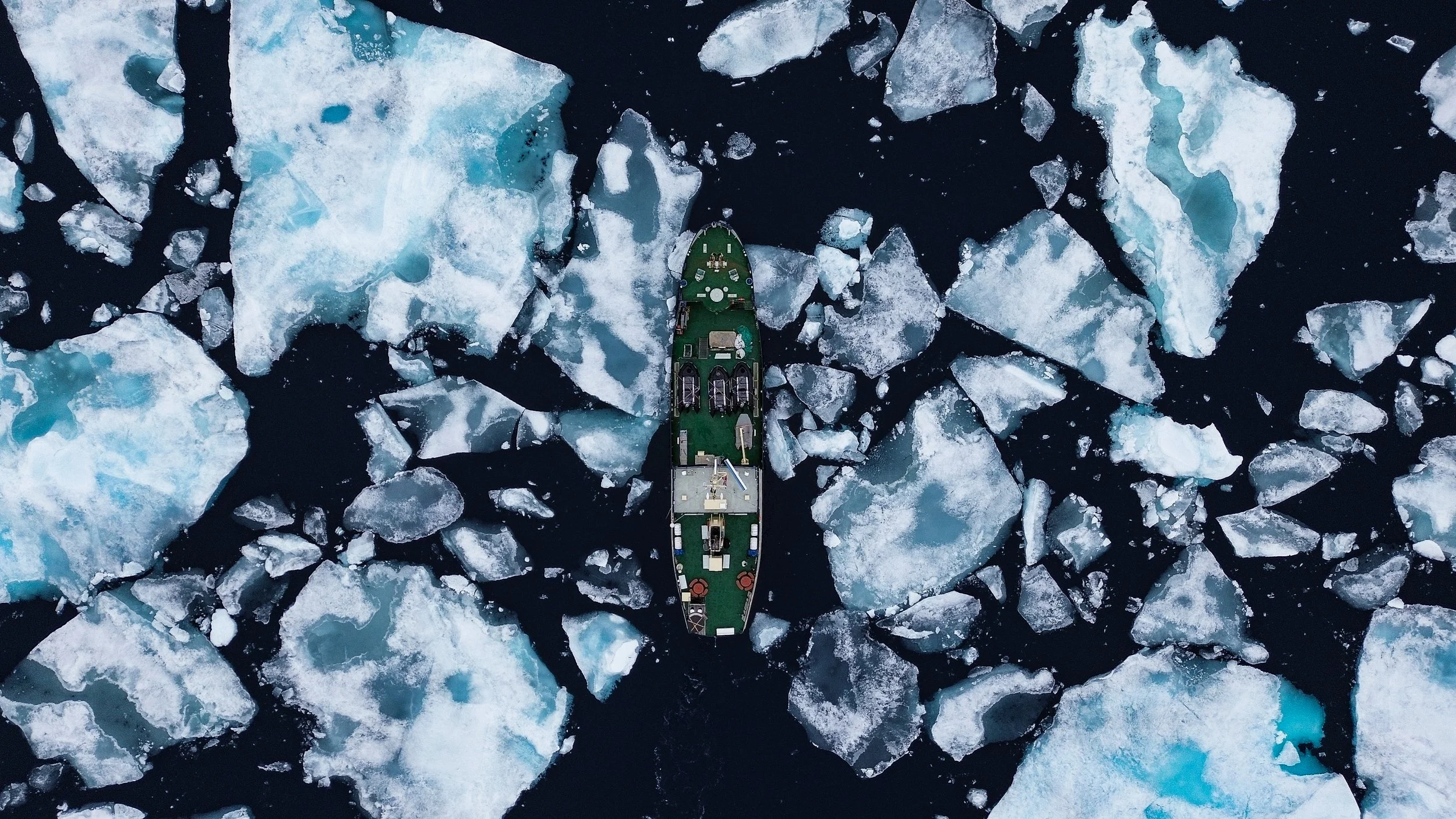
Image: MV Freya, Svalbard 2025, DR Paige Maroni. Credit - Tim McDonald.
The ocean is vast, and dedicated research vessels can only be in so many places at once. Meanwhile, a global fleet of thousands of private vessels, already operating in remote regions, represents an enormous untapped resource for science. Yachts for Science, a not-for-profit platform co-founded by Nekton, unlocks that capacity by matching these vessels with researchers who need time at sea.
With support from Minderoo Foundation, Yachts for Science is now developing an eDNA sampling programme across its network. Every water sample carries traces of DNA shed by the organisms living in it, from fish and marine mammals to invertebrates and algae. Collected across a fleet of yachts, those samples can build a picture of marine biodiversity over a far wider area than dedicated research vessels could cover alone. Wilderlab has been recognised as the programme’s eDNA Technology Partner.
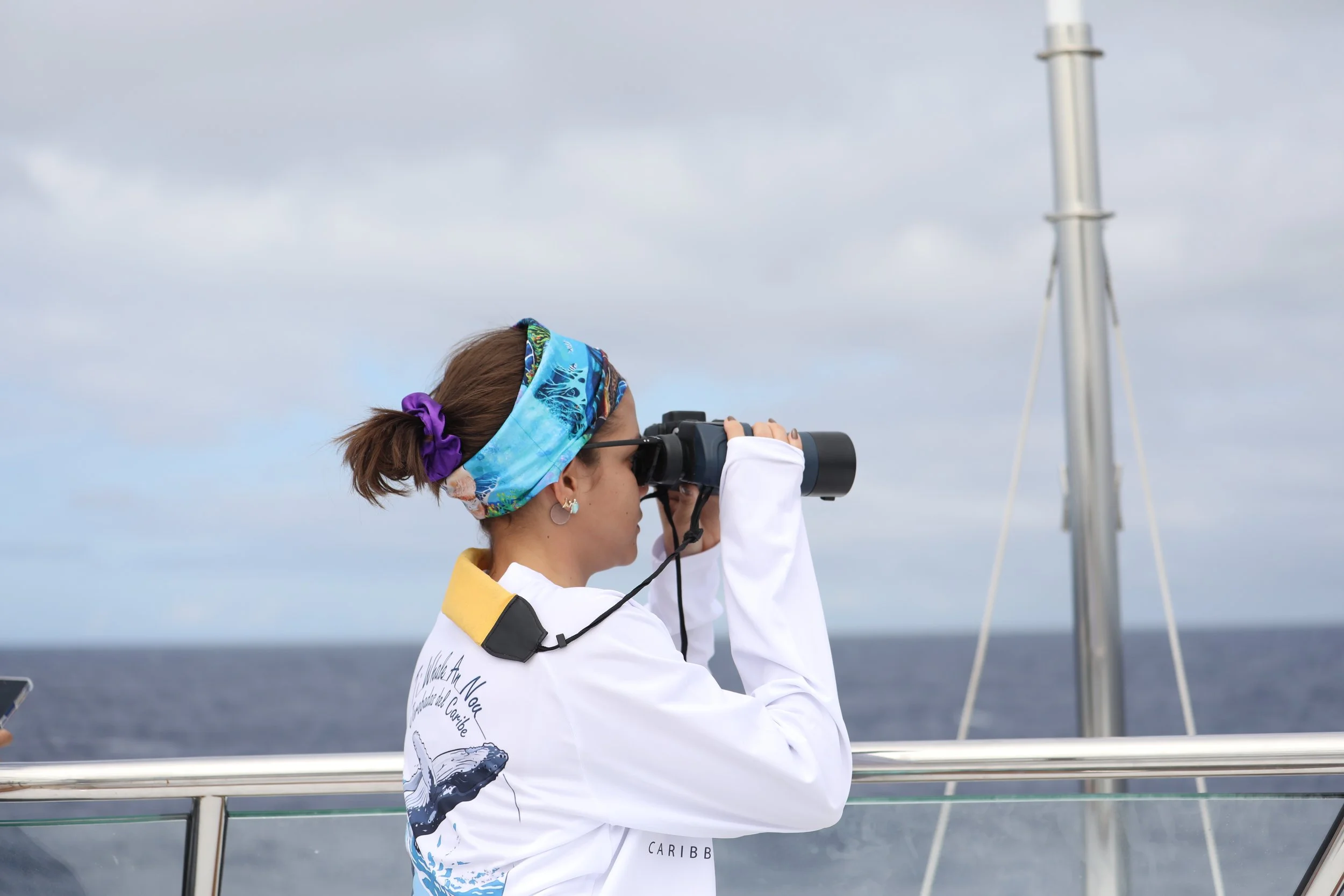
Image: MY Solace crew, Dominican Republic Humpback Whale Survey. Credit - Caribbean Cetacean Society
Wilderlab supplies sampling kits for two methods: a syringe method and a peristaltic drill-pump method. Each kit comes with SOPs, written instructions and training videos, so crews can collect reliable samples without needing a science background. Trial kits allow the Yachts for Science team to test the full process, from sampling through to reporting, before kits go out to the fleet. Yachts for Science then coordinates participating vessels and crews, including kit distribution and training.
Once samples reach the lab, each one is returned as a detailed dataset, an online interactive report and a Wheel of Life visualisation. Results can also be aggregated across vessels or expeditions and connected to other systems through Wilderlab’s API, so the programme can look at patterns across the whole fleet as well as at individual samples.
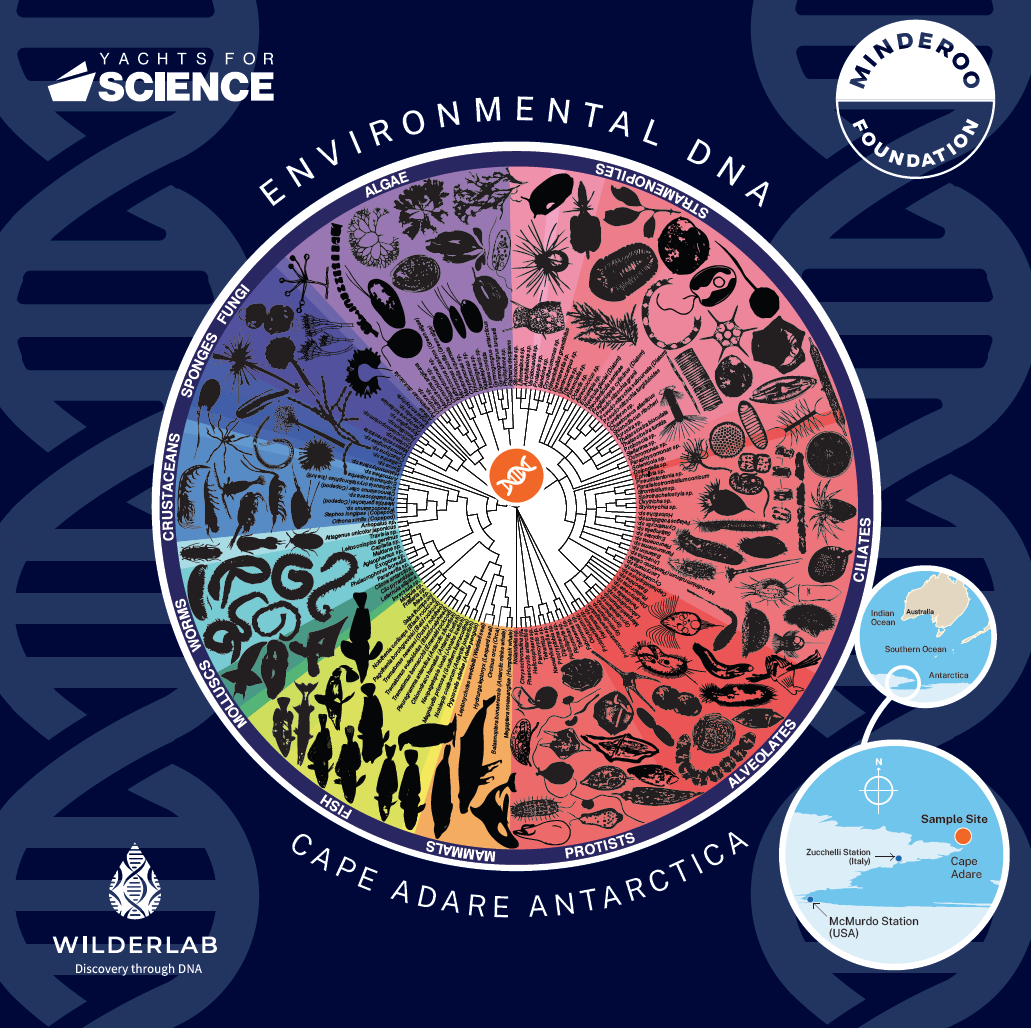
Figure credit: Wheel of life from Yachts for Science samples taken in Cape Adare, Antarctica. Provided by Minderoo.
Sampling from yachts also means sampling across borders, in different countries’ waters and on the high seas. Yachts for Science is exploring how its international science network can help help build relationships with local scientific partners and establish permitting pathways in the places its vessels operate. Wilderlab supports this with flexible data arrangements: data can be public, private or embargoed, and Wilderlab does not retain ownership of client data. Where required, Wilderlab can also agree to return or destroy physical samples and DNA extracts.
The first phase of sampling, supported by Minderoo Foundation, will demonstrate the approach and generate the programme’s first biodiversity data. Over the longer term, the aim is for yacht owners and crews to continue sampling independently, building an ongoing record of ocean life from vessels that are already out there.
Read more about Yachts for Science.