
DeBeer, John; Lord, Christopher W.; Applewhite, LeeAnn; Larkin, Patrick; Wilkinson, Shaun; Lust, Bobby; Heroux, Rick; Alcivar, Angelica
FOOD PROTECTION TRENDS • VOL 48 • PULISHED JULY2026
FUNDING
Bay of Plenty Regional Council
Department of Conservation, New Zealand
Forest and Bird
Wilderlab New Zealand Ltd
KEYWORDS
eDNA, bio-surveillance, brown bullhead catfish, conventional surveys, invasive species, method optimisation
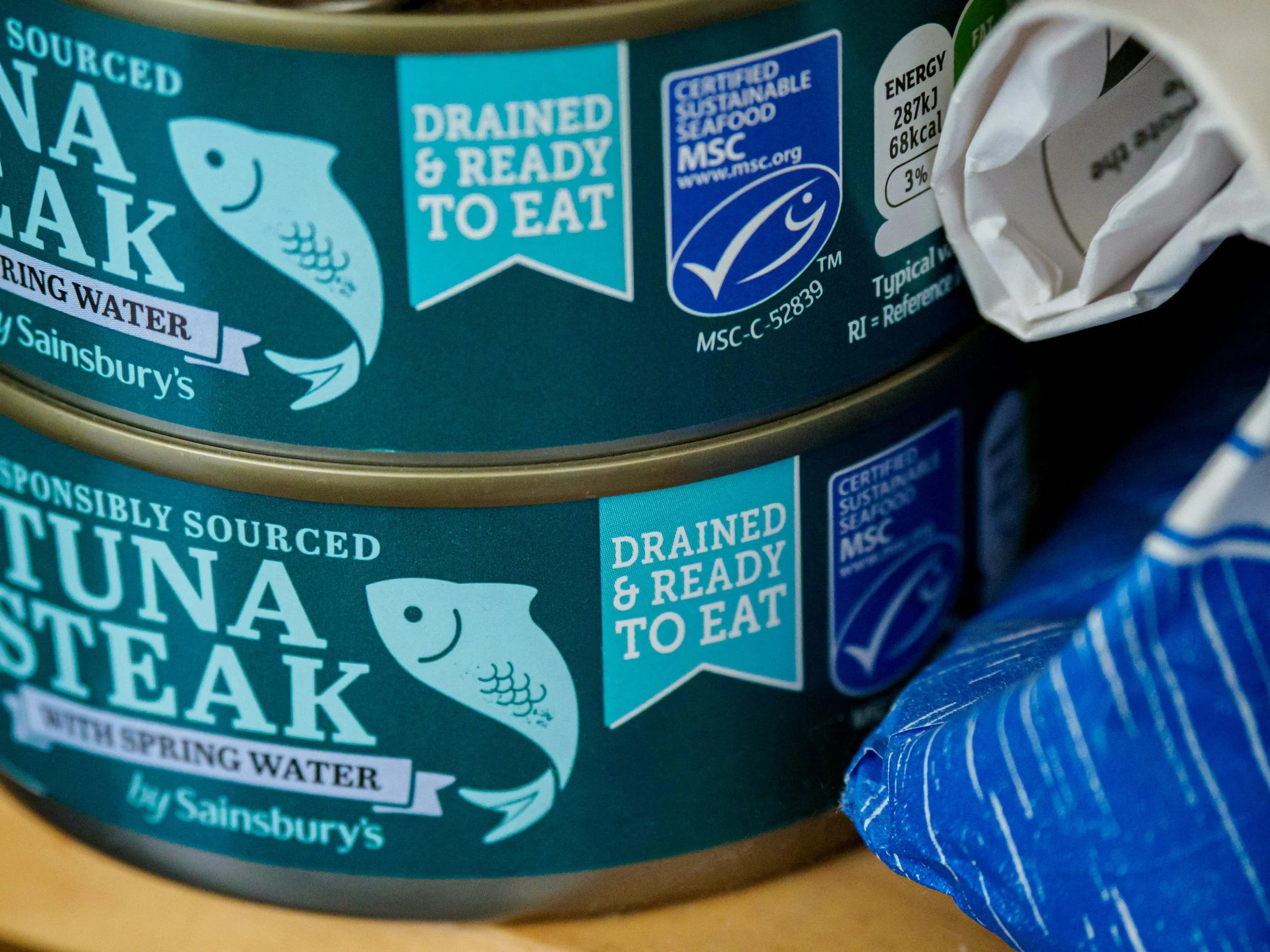
Scientific publicationCommingled Adventitious Environmental DNA (eDNA) in Canned Tuna: A Case Study of Finding Environmental DNA (eDNA) in Canned Tuna
ABSTRACT
This case study was prompted by reports that DNA (deoxyribonucleic acid) of undeclared tuna species had been found in cans labeled as skipjack. Only one species of tuna is allowed in a can sold in the European Union if the muscle structure of the tuna is visible. This finding implied that there was mislabeling of these processed tuna products. Mislabeling is a food protection issue. The presence of environmental DNA (eDNA) from various Thunnus and other species, was recently identified in the ocean and on the tuna catcher vessels and further tracked to the first stage of raw tuna processing in tuna canning (thawing). The purpose of this study was to further document if eDNA can be found in other parts of the cannery supply chain during tuna processing in the stages after thawing.
A total of 99 samples for DNA analysis were collected from raw/frozen and unfrozen tuna (8), precooked tuna (12), and retorted (heat preserved) tuna (79). A total of 225 DNA analyses were performed on these samples using Polymerase Chain Reaction (PCR) methods and Sanger sequencing, real-time PCR and NGS-SBS. Results show that DNA fragments from other tuna species are present during tuna harvesting and processing operations. This finding suggests that eDNA from various Thunnus and other species can be found at multiple levels of the cannery processing chain. This study also highlights the drawbacks of using traditional DNA barcoding for the purpose of detecting fraud or mislabeling with retorted canned tuna. Suggestions for mitigation measures for solving the problem of multiple species of muscle meat in tuna products during the canning process are also presented.