
Every living organism contains DNA, the genetic instructions that make it unique. But DNA isn't only found inside the cells of living things. As organisms move through their environment, they constantly release tiny traces of genetic material through shed skin cells, mucus, waste and other biological material.
This DNA can remain in water, soil and even air for a day or two after an organism has passed through. This is known as environmental DNA, or eDNA.
What is eDNA?
For example, a river contains DNA from fish, insects, plants and other organisms that live in or just around it. By collecting and analysing these invisible traces, we can identify which species have been present in an environment, without needing to see them, disturb them, or capture them. This makes eDNA highly effective for biomonitoring.
We learn about the distribution of species through time and space, monitor biosecurity threats, and better understand and track fluctuations in ecosystem health.
How is eDNA collected?
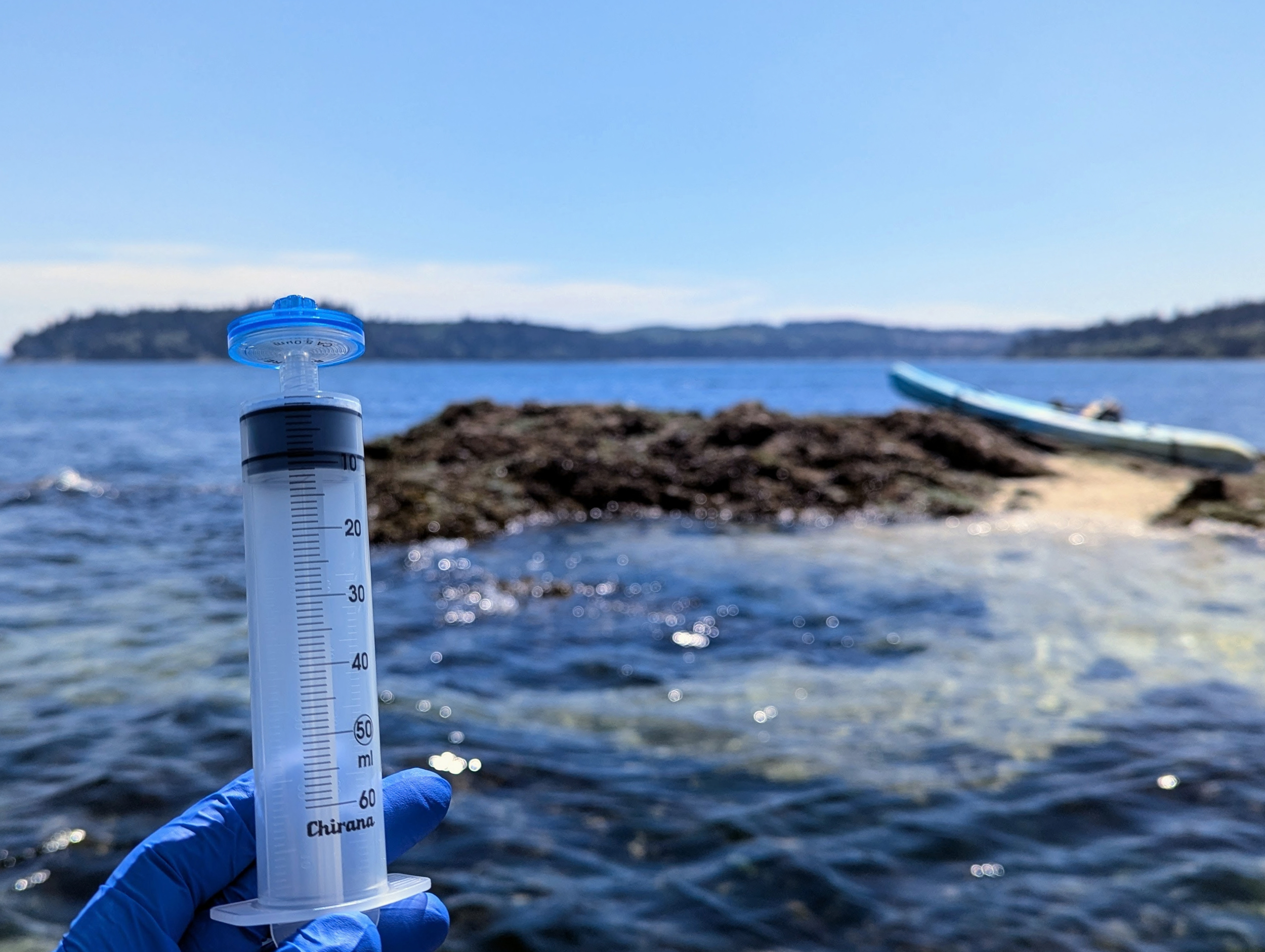
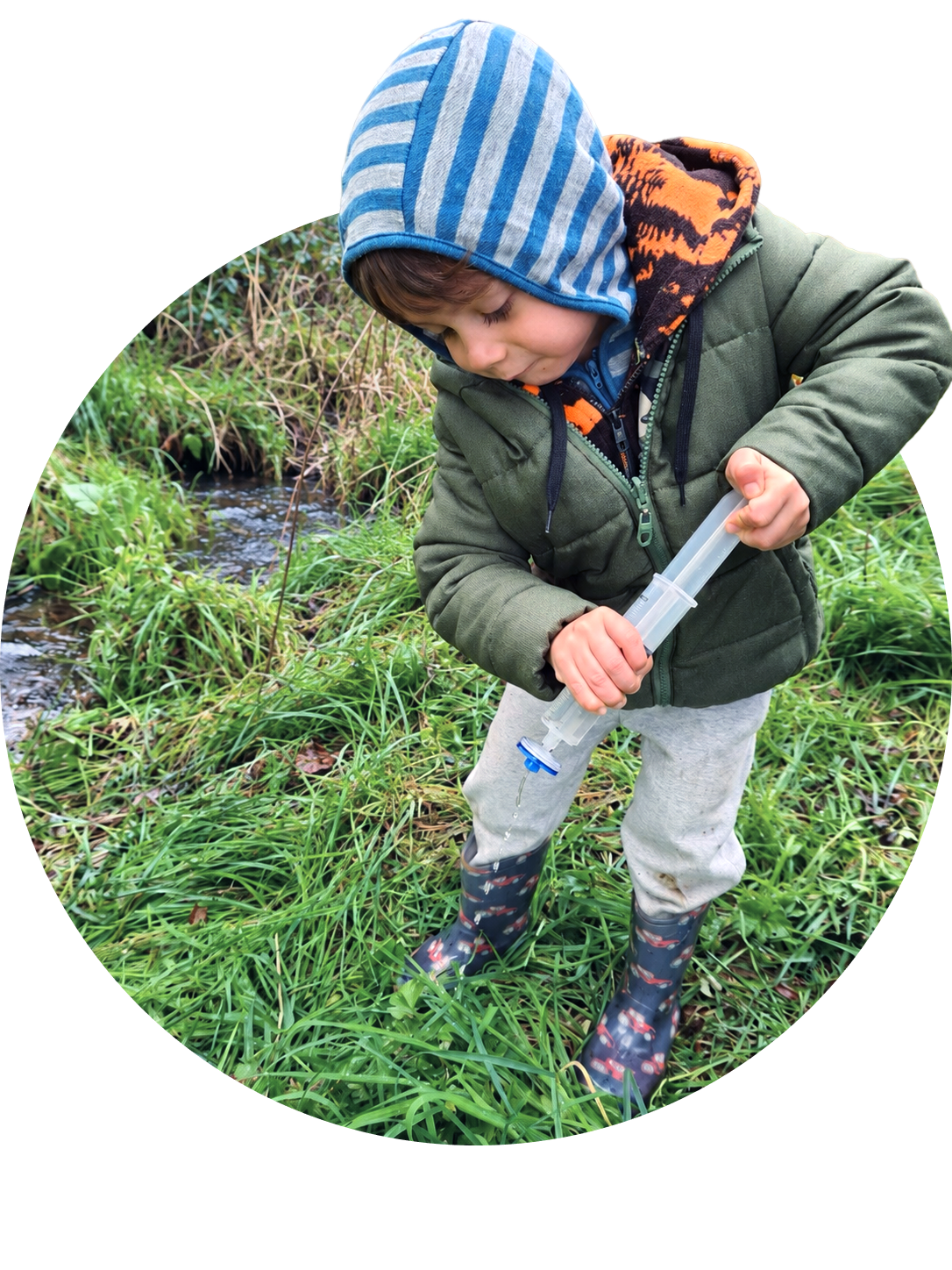
Anyone can gather environmental samples such as river, lake and sea water, and extract the DNA contained using our simple kits. The genetic material is captured on a small filter and this is what is sent to us for analysis (not the water). In a laboratory like Wilderlab’s, DNA sequences are compared with global reference databases to identify which species may be present.
Since then, advances in DNA sequencing have made it possible to identify hundreds of different species from a single sample. What began as an experimental technique has become a powerful tool for monitoring biodiversity around the world.
Scientists began studying DNA collected from the environment in the 1980s. A major breakthrough came in 2008, when French researchers used eDNA to detect invasive bullfrogs in France even when the animals were very difficult to find using traditional methods and present in very low numbers. This became one of the foundational studies of modern eDNA biomonitoring.
A kickstart in 2008
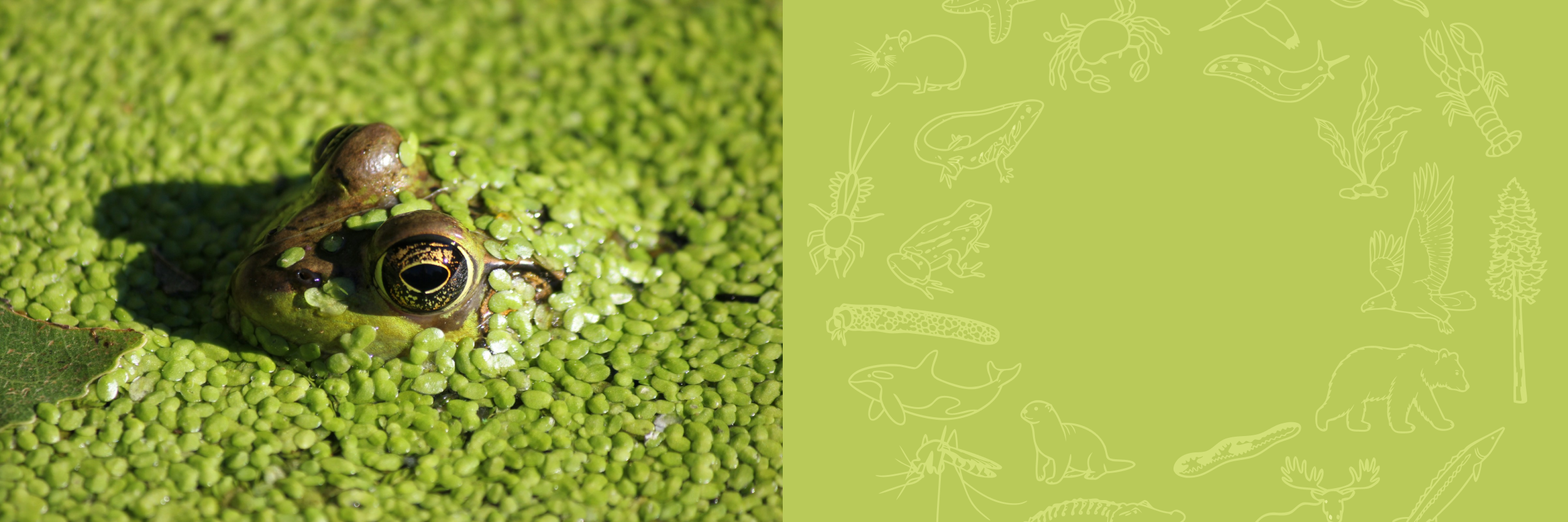

AMERICAN BULLFROGLithobates catesbeianus
Ficetola, Gentile Francesco & Miaud, Claude & Pompanon, François & Taberlet, Pierre. (2008). Species detection using environmental DNA from water samples. Biology letters. 4. 423-5. 10.1098/rsbl.2008.0118.
Assays and metabarcoding
eDNA assay
An assay is a laboratory test designed to detect particular DNA sequences. It uses short pieces of DNA called primers to target specific genetic regions, which are then copied millions of times through a process called polymerase chain reaction (PCR).
Some assays are highly specific, designed to detect a single species. Others target broader groups of organisms, such as fish, mammals or insects.
DNA metabarcoding
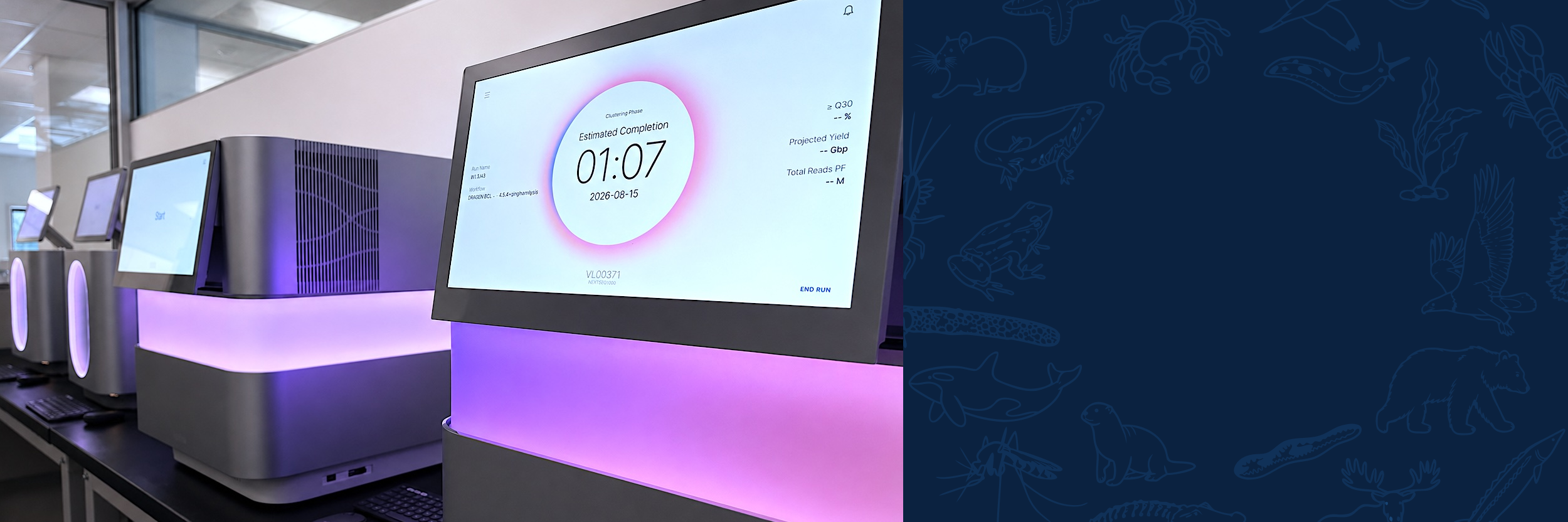
DNA metabarcoding is an advanced technique that allows scientists at Wilderlab to identify many different species from a single environmental sample.
It combines broad-range DNA assays with high-throughput sequencing technology, which can read millions of DNA fragments simultaneously. These sequences are compared against reference databases containing DNA from known organisms, allowing scientists to identify the species or taxonomic groups represented in the sample.
While a species-specific assay answers the question...
metabarcoding asks…
What species are present?
This makes metabarcoding particularly valuable for biodiversity surveys, detecting unexpected or invasive species, and monitoring changes in ecosystems over time.
Is this particular species present?
Wilderlab is setting the bar in metabarcoding
New technologies are making testing faster, more sensitive and increasingly automated, opening exciting possibilities for understanding and protecting ecosystems.
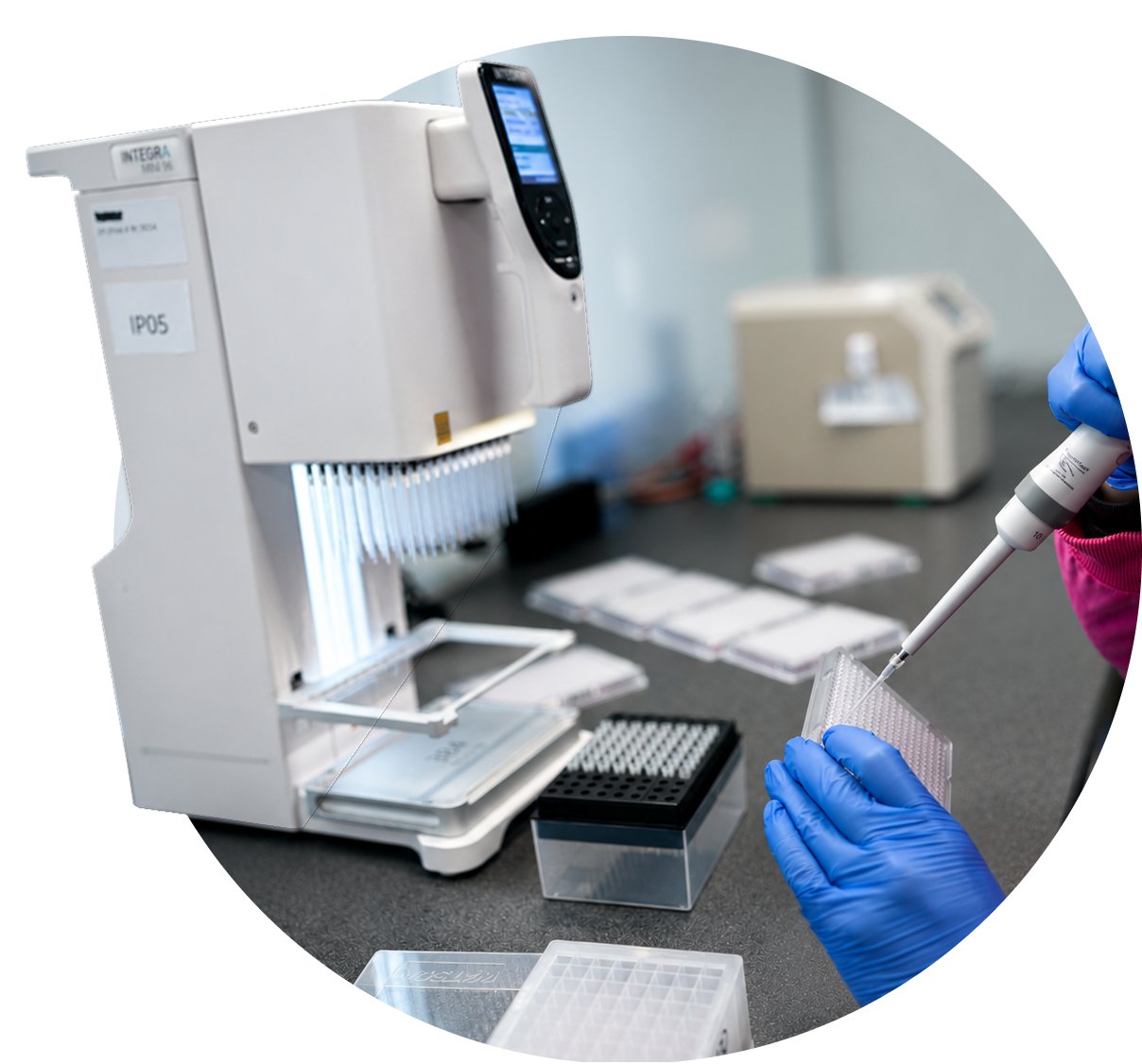
eDNA is moving from an experimental scientific technique into a practical decision-making tool for industry and government.
Governments in New Zealand and the United States are exploring its use to assess ecosystem health, detect invasive species and improve fisheries management.
Industries including aquaculture, renewable energy and environmental consulting are also adopting the technology.
Turning discovery into conservation action
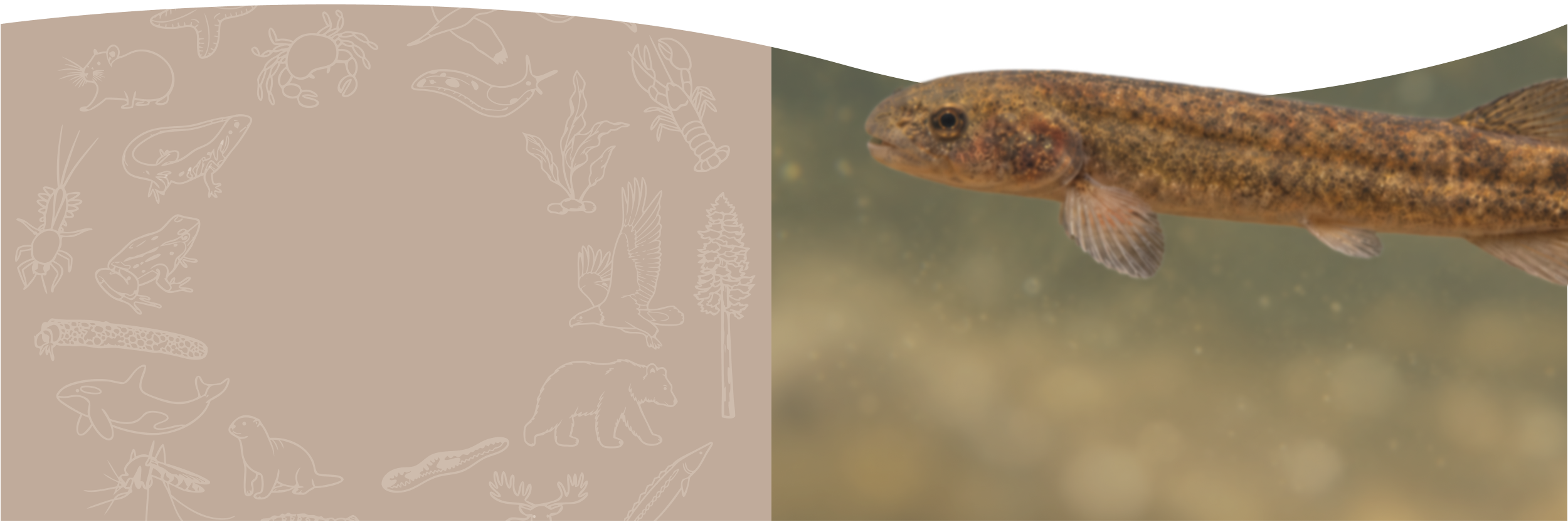
Wilderlab’s eDNA technology has helped uncover a previously unknown population of Clutha flathead galaxias in New Zealand’s Ōrau/Cardrona River catchment, offering new hope for one of the country’s small and most endangered freshwater fish.
◼ E-DNA DETECTION
Clutha flathead galaxiasGalaxias species D